

Signs & Symptoms of a Cavity
Cavities are one of the most common chronic conditions in children, but they’re also highly preventable and treatable when caught early. Understanding the signs of a cavity and recognizing the symptoms of a cavity can help parents take action before small issues turn into bigger problems. With the right knowledge and timely care, you can protect your child’s smile for years to come.
Signs of a Cavity
Recognizing the early signs of a cavity is essential, especially since children may not always communicate discomfort clearly. Cavities often begin subtly, and early detection can make treatment simpler and more comfortable.
Common signs of a cavity include:
- White, chalky spots on teeth (early enamel damage)
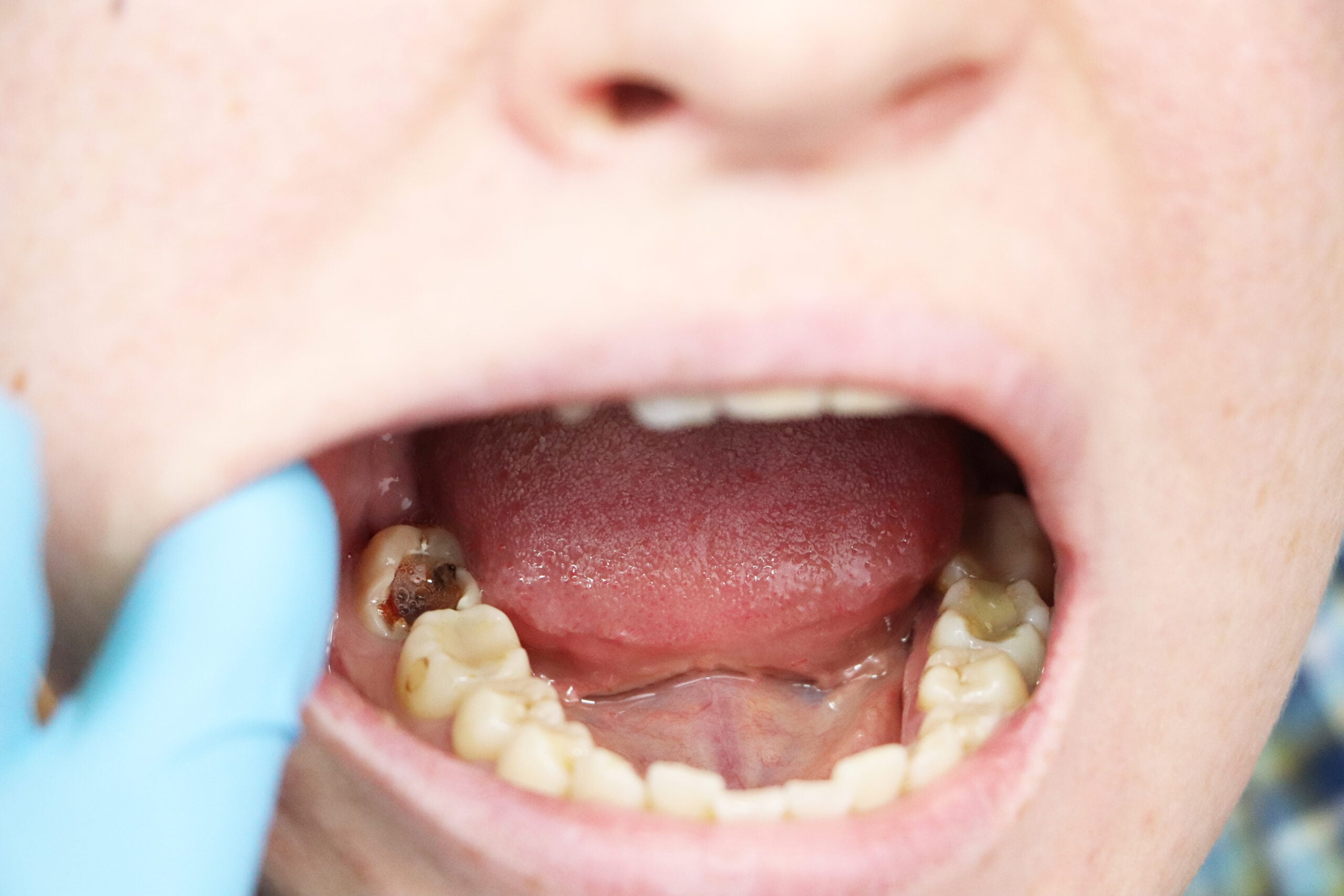
- Brown or black discoloration
- Visible holes or pits in a tooth
- Food frequently getting stuck in the same area
- Persistent bad breath
A cavity can progress quickly in children due to thinner enamel on baby teeth, so even minor visual changes should not be ignored.
Symptoms of a Cavity
While the signs of a cavity are visible, the symptoms of a cavity are what your child feels. These symptoms can vary depending on how advanced the decay is.
Typical symptoms of a cavity include:
- Tooth sensitivity to hot, cold, or sweet foods
- Pain when chewing or biting
- Ongoing toothache
- Gum swelling near a tooth
- Increased fussiness in younger children
Sometimes, a cavity may not cause noticeable pain at first, which is why routine dental visits are so important.
Children’s Cavities: Why Kids Are More at Risk
Cavities form more easily in children for several reasons:
- Baby teeth have thinner enamel
- Children often consume more sugary snacks and drinks
- Brushing and flossing habits are still developing
- Deep grooves in molars trap food and bacteria
Because of these factors, it’s important to stay vigilant about both the signs of a cavity and the symptoms of a cavity throughout childhood.
What to Do If You Notice Signs of a Cavity
If you begin to notice signs of a cavity or your child complains about symptoms of a cavity, taking prompt action is important.
Steps to Take at Home
- Ask your child where they feel discomfort
- Check for visible discoloration or holes
- Encourage gentle brushing and flossing around the area
- Avoid very sugary or extremely hot/cold foods that may trigger pain
While these steps can help manage discomfort temporarily, they are not a substitute for professional care. Cavities do not heal on their own and require proper treatment for cavities to stop progression and protect the tooth.
Dental Treatment for Cavities in Children
When a cavity is diagnosed, there are several types of dental treatment for cavities that can restore your child’s oral health. The right approach depends on how early the cavity is detected and how much of the tooth is affected.
Tooth-Colored Fillings
One of the most common options for treatment for cavities is a tooth-colored filling. The dentist removes the decayed portion of the tooth and fills it with a durable material that blends naturally with the tooth.
Dental Crowns
If decay is more extensive, dental treatment for cavities may include placing a crown. Crowns cover the entire tooth, restoring strength and preventing further damage—especially for molars that handle heavy chewing.
Pulp Therapy (Baby Root Canal)
When decay reaches the inner pulp of the tooth, more advanced treatment for cavities is needed. Pulp therapy removes infected tissue, relieves pain, and helps preserve the natural tooth whenever possible.
Tooth Extraction (When Necessary)
In severe cases, dental treatment for cavities may involve removing the tooth if it cannot be saved. Dentists will ensure your child is comfortable and may recommend space maintainers to support proper alignment of future adult teeth.
Early treatment for cavities not only relieves discomfort but also prevents infection and more complex dental issues.
Helping Your Child Feel Comfortable During Treatment
Many children feel nervous about dental visits, especially if they are experiencing symptoms of a cavity. Our pediatric dental team is trained to make the experience as positive as possible.
- Gentle, child-friendly communication
- A calm and supportive environment
- Techniques designed to reduce anxiety
- Options for pain management and comfort
Addressing the signs of a cavity early often means simpler, quicker, and more comfortable dental treatment for cavities.
Preventive Dental Care for Cavity Prevention
Scheduling regular pediatric dental exams and cleanings is extremely important to maintain your child’s dental health, including regular screening for cavities that you or your child may have missed.
We also offer other preventive care treatments to help avoid cavities, including professional application of dental sealants and safe, effective fluoride treatments. Dental sealants remain one of the most effective ways to prevent cavities, particularly in the back teeth where decay is most common. Professional fluoride treatments can also help safeguard your child’s teeth against decay by strengthening teeth and remineralizing tooth enamel, preventing cavity formation.
FAQs About Cavities in Children
What Does a Cavity Look Like in a Child’s Mouth?
A cavity may first appear as a white spot on the tooth, indicating early enamel breakdown. As it progresses, it can turn brown or black and may develop into a visible hole. In children, these changes can happen quickly, which is why monitoring the signs of a cavity is so important.
What Does a Cavity Look Like on a Tooth?
On a tooth, a cavity often looks like a small dark spot, pit, or shadow on the surface. It may be easier to see on the chewing surfaces of molars or between teeth during a dental exam. These visible changes are key signs of a cavity that should be evaluated promptly.
What Does a Cavity Feel Like?
The symptoms of a cavity often include sensitivity to temperature or sweetness, a mild ache, or discomfort when chewing. In more advanced cases, the pain may become constant or sharper. Younger children may describe this simply as “tooth hurting” or avoid certain foods.
How Do You Know If You Have a Cavity
You may notice signs of a cavity like discoloration or holes, or experience symptoms of a cavity such as sensitivity or pain. However, some cavities don’t cause noticeable symptoms early on, so regular dental checkups are the most reliable way to detect them.
Do Cavities Hurt?
Not all cavities hurt at first. Early-stage decay may not cause discomfort, but as it progresses deeper into the tooth, it can lead to significant pain and sensitivity. This is why identifying the signs of a cavity early is crucial.
At What Age Can Children’s Cavities Develop?
A cavity can develop as soon as teeth emerge. Even infants can experience early childhood cavities, especially if exposed to sugary liquids frequently.
Can Baby Teeth Cavities Affect Adult Teeth?
Yes, untreated cavities in baby teeth can impact the health and alignment of adult teeth. Addressing cavities early helps prevent future dental complications.
How Often Should My Child Visit the Dentist?
Children should visit the dentist every six months to check for signs of a cavity and maintain optimal oral health.
What Foods Increase the Risk of Children’s Cavity Issues?
Sugary snacks, sticky candies, juice, and soda increase the likelihood of developing a cavity. Frequent snacking without proper brushing can also contribute to decay.
Now That You Know the Signs of a Cavity
Being aware of the signs of a cavity and recognizing the symptoms of a cavity can make a significant difference in your child’s oral health. Acting quickly when you notice changes—and seeking professional care—helps ensure cavities are treated early and effectively with the right dental treatment for cavities.
With the right balance of awareness, timely care, and preventive measures like dental sealants, you can help your child maintain a healthy, confident smile for years to come. Schedule an appointment today and learn more about our gentle, caring, and experienced pediatric dentistry team.